Your roof rarely fails all at once. It warns you first, then it fails.
A few missing shingles after a storm, grit in the gutter, a brown ring on the ceiling. Ignore those warnings and a minor repair turns into a full tear-off.
This guide walks through the 10 signs you need a new roof. It is written for homeowners across Greater Cincinnati.
Here is the short version. One isolated sign usually calls for a repair. Several signs together, or an asphalt roof past 20 years, usually means replacement.
The clearest red flags are widespread curling or missing shingles, granules filling the gutters, a sagging deck, daylight in the attic, and leaks that keep coming back.
Southwest Ohio is hard on roofs. Freeze-thaw winters, humid summers, and a spring storm season with high winds and hail all speed up wear. That local pressure is why several signs below hit Cincinnati homes harder than national averages suggest.
The 10 Signs You Need a New Roof
Work through this list and count how many apply to your home. The more boxes you check, the stronger the case for replacement over another repair.
1. Your Roof Has Reached Its Age Limit
Age is the first thing a roofer checks, and often the most telling. Materials wear out on a predictable schedule.
According to InterNACHI’s life expectancy chart, 3-tab asphalt shingles last about 20 years and architectural shingles about 30. Cincinnati’s freeze-thaw cycles and summer heat push asphalt toward the lower end.
If your asphalt roof is 20 years or older, start planning even if it looks fine from the ground. A roof at the end of its life fails fast once it starts.
Not sure how old yours is? A permit record or a free roof inspection will pin it down.
2. Shingles Are Curling, Cracking, or Buckling
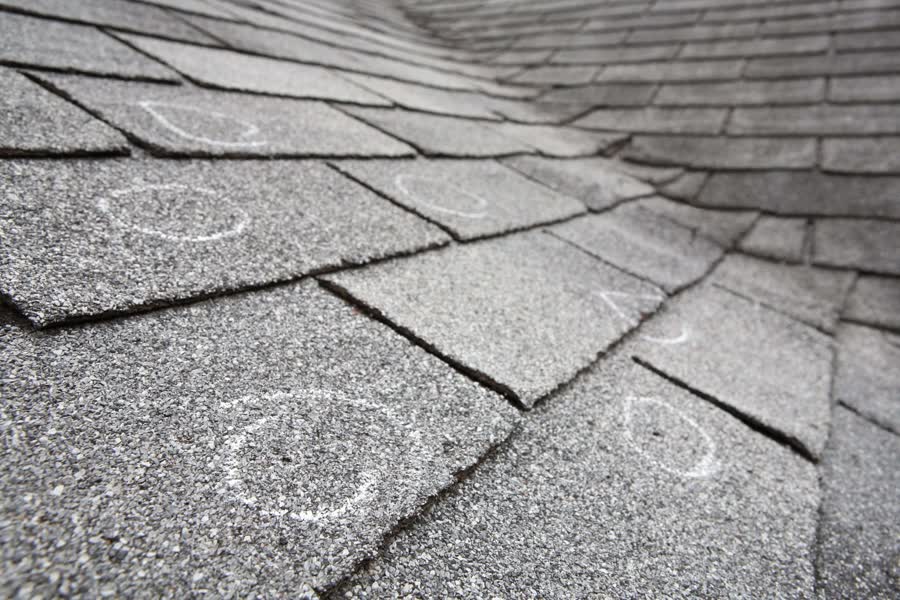
Healthy shingles lie flat. When they curl at the edges, cup in the middle, or crack across the face, the asphalt has dried out and lost its flexibility.
Poor attic ventilation makes this worse. Trapped heat bakes the shingles from below and speeds up the damage.
A little cracking in one spot is a repair. Curling across a whole slope means the roof is aging out.
3. Shingles Go Missing After Cincinnati Wind and Storms
Spring and summer storms across Southwest Ohio strip shingles and drop tree limbs every year. One or two blow-offs can be replaced. A roof that loses shingles after every storm has lost its seal and its wind resistance.
Look closely after high winds and hail. Bruised, dented, or cracked shingles can be storm damage, and your insurer decides whether it is covered.
Our crews handle storm damage roof repair across Greater Cincinnati and help homeowners document the loss. If a storm hit your home, get it inspected before you file. See our guide to roof insurance claims.
4. Granules Are Collecting in Your Gutters
Those sand-like granules coat asphalt shingles and shield them from the sun. As shingles wear out, they shed granules into the gutters and downspouts.
Some granule loss is normal on a new roof. Piles of grit in the gutters, plus bald or shiny patches on the shingles, tell a different story. It means the protective layer is gone and the shingles are near the end.
While a crew is up there, worn granules and a failing gutter system often show up together.
5. You See Daylight or Water Stains in the Attic
Your attic is the best place to catch a roof problem early. Go up on a bright day and look at the underside of the deck.
Daylight through the boards means gaps in the decking. Dark streaks, damp insulation, or water stains mean moisture is already getting in.
Stains that spread onto upstairs ceilings or walls point to an active leak. That needs attention now, not next season.
6. The Roof Deck Sags or Feels Spongy
A sagging roofline is the most serious sign on this list. It points to a structural problem under the shingles, not just surface wear.
Sagging or a soft, spongy feel usually means the decking has absorbed water and weakened. Sometimes the supports below are failing.
This is not a wait-and-see item. A soft deck can lead to a partial collapse. If your roof dips or feels bouncy underfoot, book an inspection right away.
7. Flashing Around Chimneys and Valleys Is Failing
Flashing is the metal that seals the joints where the roof meets a chimney, a wall, a skylight, or a valley. Most roof leaks start at these connections, not in the open field of shingles.
Older homes often have flashing that is cracked, rusted, or pulling away. On its own, failing flashing can sometimes be resealed or replaced. Paired with aging shingles and recurring leaks, it usually signals a roof that has run its course.
8. Moss, Algae, or Dark Streaks Are Spreading
Cincinnati summers are humid, and humidity feeds growth on the roof. Those dark streaks are a blue-green algae that spreads across shaded, damp shingles.
Algae stains are mostly cosmetic at first. Moss is the bigger concern. It holds moisture against the shingles, lifts their edges, and speeds up rot underneath.
Widespread moss on an older roof is often a sign the surface is breaking down.
9. Leaks Keep Coming Back After Repairs
A single leak fixed once is normal maintenance. A leak that returns, or new leaks in different spots, is the roof telling you the system is failing.
Repeated repairs add up fast. They do not restore aging shingles, worn seals, or tired underlayment.
When patches stop holding, a full roof replacement is usually cheaper over time. Our team is also happy to fix what is fixable. Plenty of homeowners call us for a roof repair and keep their roof for years.
10. Ice Dams Form and Your Winter Energy Bills Climb
This one is easy to miss until January. Ice dams are ridges of ice that build up at the roof’s edge and force melted snow back under the shingles.
They form when heat escapes into the attic and warms the deck. Snow melts up high, runs down, and refreezes at the cold eaves. Per University of Minnesota Extension, ice dams can form with as little as two inches of snow, and the trapped water seeps into the attic, walls, and ceilings.
Bare patches where snow melts fast, big icicles, and rising heating bills point to the same cause: heat loss and poor airflow. The fix is better attic insulation and ventilation. When ice is already backing up, our team offers ice dam removal.
Roof Repair vs. Replacement: How to Decide
One sign usually means repair. A cluster of signs, or damage across a large area, usually means replacement. Use these four questions to decide.
- How old is the roof? Asphalt past 20 years is a strong case for replacement, even without heavy damage.
- How much is damaged? Damage across roughly a quarter or more of the roof favors replacement. Patching makes sense only for small, isolated problems.
- How many layers are up there? Codes generally allow no more than two layers of shingles. A failing second layer means a full tear-off.
- How often do you repair it? Recurring leaks and yearly patches point to system-wide failure, not an isolated fix.
Replacement also protects value. A new asphalt roof returns roughly 68 percent of its cost at resale, according to This Old House. It also removes the water-damage risk that drags a sale down.
What a New Roof Costs in Cincinnati
Cost is the question behind every other question, so here are real numbers. Prices vary by size, pitch, material, and the shape of your roof.
Nationally, a full replacement averages about $9,600, per Angi. In Greater Cincinnati, a standard 15-square roof (about 1,500 square feet) with no wood replacement runs about $10,000 to $14,000. Steep slopes, layers to tear off, and premium shingles push the total higher.
Timing matters too. Late fall and winter are slower for roofers, so the off-season can mean better availability and pricing. Our crews plan Cincinnati winter work around dry days so the roof goes on clean.
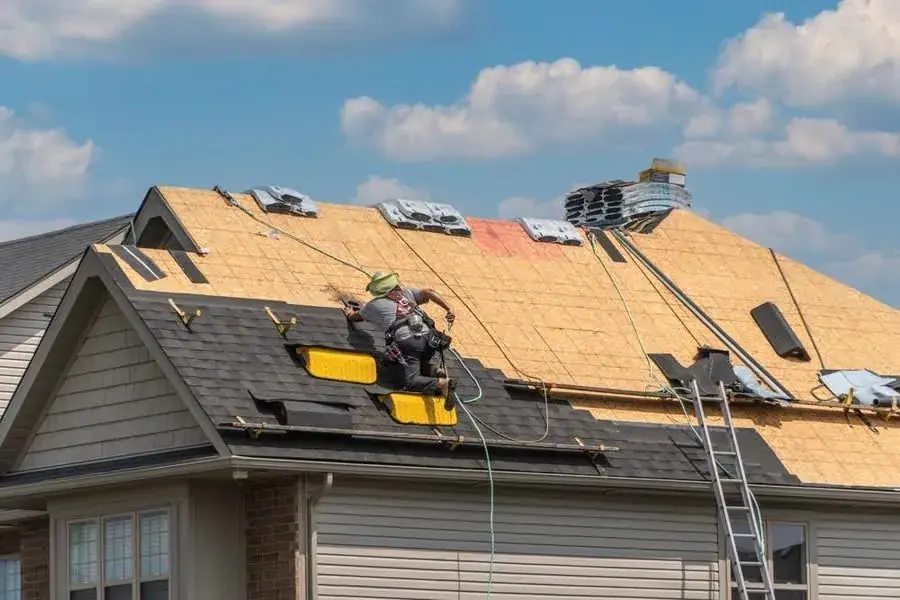
SWORD installs many residential roofs in a single day. That keeps your home open to the elements for the shortest time possible.
If a storm caused the damage, insurance may cover most of the cost. Wind and hail losses are often claimable, while simple wear and age are not. Our team helps Cincinnati homeowners document damage and work with adjusters through the claim.
Frequently Asked Questions
How Many Years Does a Roof Usually Last?
It depends on the material. Per InterNACHI, 3-tab asphalt shingles last about 20 years and architectural shingles about 30.
Harsh weather and poor ventilation shorten every one of those ranges.
How Do I Know If I Need a New Roof or Just a Repair?
Count the signs. A single problem in one area is usually a repair.
A roof past 20 years, damage across more than a quarter of the surface, or repeat leaks point to replacement. A professional inspection settles it.
What Is the Best Time of Year to Replace a Roof?
Roofs can be installed year-round in Cincinnati. Late fall and winter bring lower demand, which can mean quicker scheduling and better pricing. Our crews time cold-weather installs around dry days so the job is done right.
Does Homeowners Insurance Cover a New Roof?
Often, yes, when a covered event like a storm caused the damage. Wind and hail losses are frequently claimable. Damage from age and normal wear is not.
Document the damage early and have a roofer inspect it before you file.
Can I Put a New Roof Over the Old Shingles?
Sometimes, but it is rarely the best choice. Codes usually cap a roof at two layers, a second layer hides deck problems, and it shortens the life of the new shingles.
A full tear-off lets a roofer inspect and repair the decking underneath.
Get a Free Roof Inspection in Greater Cincinnati
You cannot judge a roof from the driveway. The signs that matter most live where you cannot see them: soft decking, failed flashing, hidden leaks.
A professional inspection tells you exactly where the roof stands. You learn whether you need a repair, a replacement, or just a little more time.
Worried about being upsold? Get a second opinion and an itemized estimate before you commit. SWORD documents every inspection with drone photos, so you see what our team sees.
Our crew is Owens Corning “Top of the House” certified. We hold a 4.9 rating on Google, and full roof replacements with Owens Corning Duration or Duration FLEX shingles carry a 25-year workmanship warranty. SWORD installs Owens Corning shingles and will tell you honestly when a repair is the smarter call.
Do not wait for a small leak to become a structural problem. Schedule your free roof inspection with SWORD Roofing today.